Plan your weekly meals – and make it easier to eat more plant-based

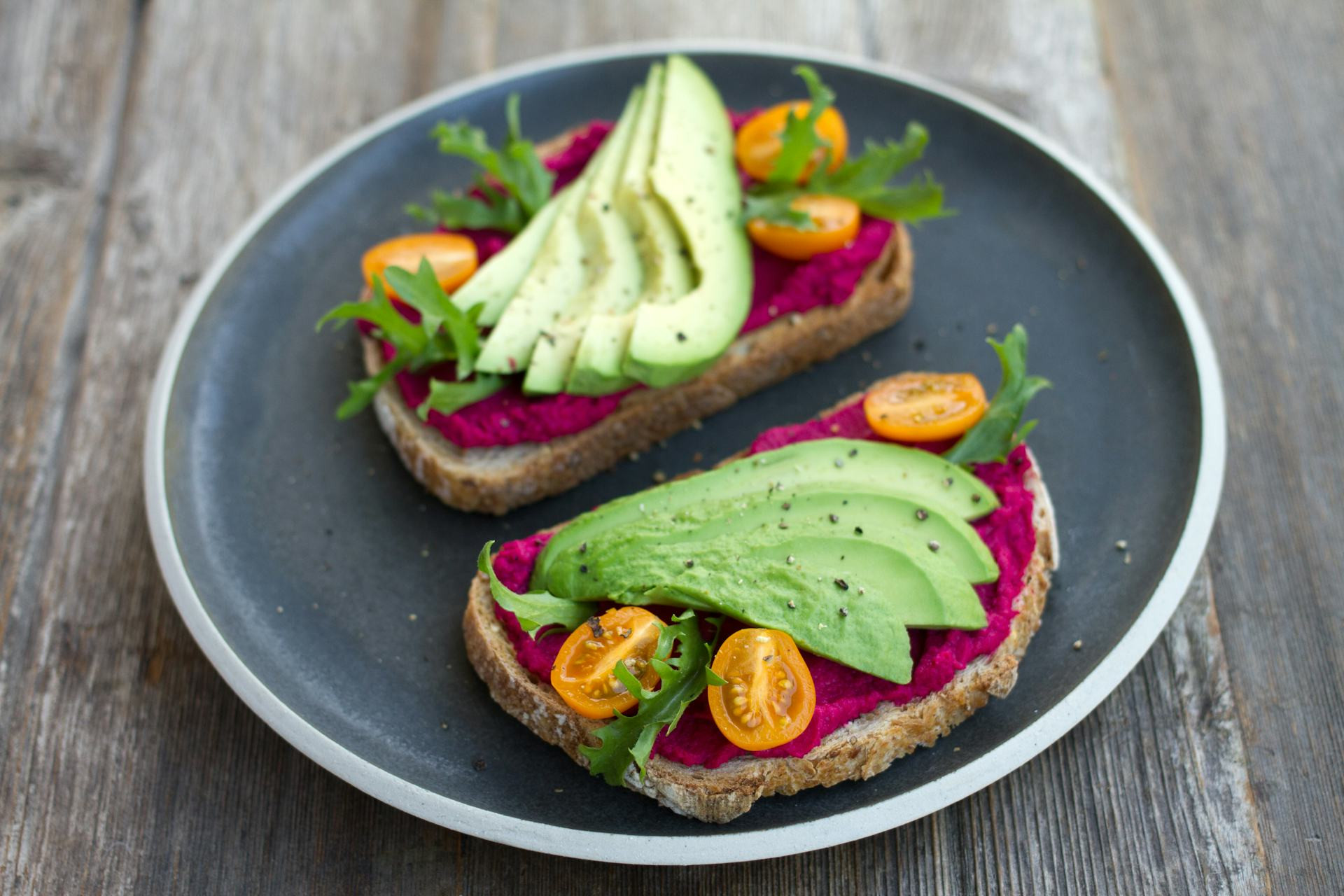
Plan your weekly meals – and make it easier to eat more plant-based
Eating more plant-based doesn’t have to be complicated or bland. In fact, it can bring variety, flavour, and energy to your everyday meals – especially if you plan ahead. With a weekly meal plan, you’ll save time, reduce food waste, and make it easier to stick to your goals. Here’s how to plan your week and make plant-based eating simple and satisfying.
Why planning makes a difference
When life gets busy, it’s easy to fall back on takeout or quick processed meals. That often means fewer vegetables and less variety. A meal plan helps you make decisions in advance, so you’re not scrambling to figure out dinner at the last minute.
Planning also makes it easier to include vegetables, legumes, and whole grains in your meals. You can use ingredients efficiently across several dishes – and avoid letting food go to waste.
Læs også:
Start with a realistic plan
Your meal plan should fit your lifestyle. If you’ve never made one before, start small. Plan for three or four days at a time, and choose meals you know your household will enjoy.
Think about:
- Time and energy – pick quick meals for busy weekdays and save more elaborate recipes for the weekend.
- Reusable ingredients – cook a big batch of lentils or quinoa that can be used in salads, stews, or wraps.
- Variety – mix warm and cold dishes, and rotate between beans, lentils, tofu, and seasonal vegetables.
Once you find a rhythm, you can expand your plan to cover the whole week.
Make plant-based choices easy
Eating more plant-based doesn’t mean you have to give up meat entirely. Small, consistent changes can make a big difference.
- Swap gradually – try a “meatless Monday” or replace half the meat in a recipe with beans or lentils.
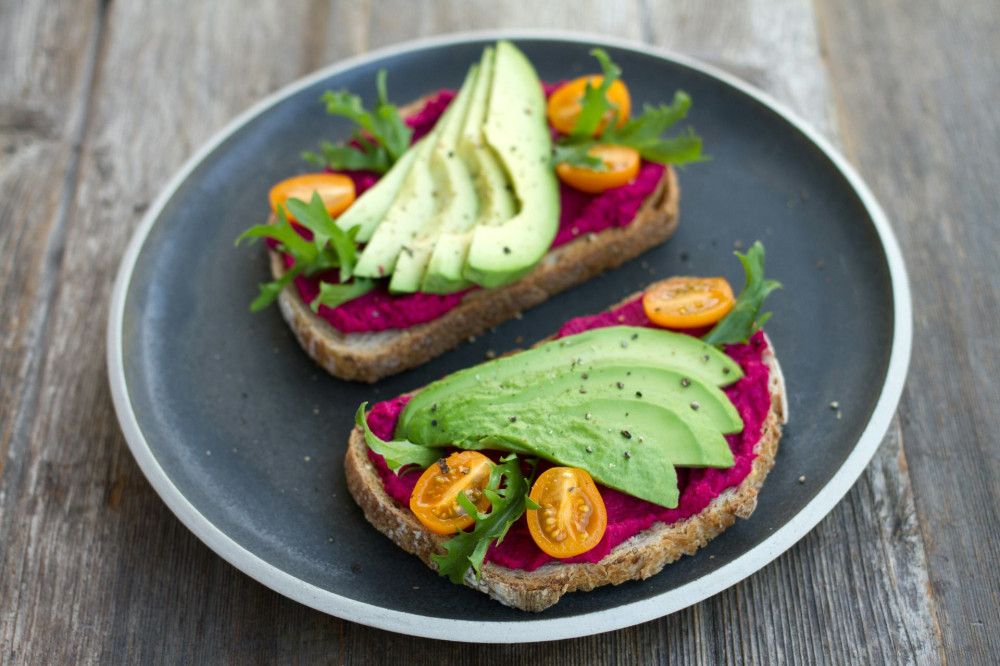
- Let vegetables take the lead – roast a tray of mixed veggies, make a hearty vegetable chili, or try a chickpea curry.
- Play with flavour – use herbs, spices, nuts, and seeds to add depth and texture.
- Think in colour – the more colours on your plate, the more nutrients you’re likely to get.
When you plan ahead, you can make sure you have the right ingredients on hand – and avoid falling back into old habits.
Shop with a clear list
A meal plan makes grocery shopping faster and more efficient. Write your list based on the week’s meals and stick to it. You’ll save both time and money.
A good approach is to stock up on pantry staples once a week – things like rice, pasta, lentils, beans, spices, and frozen vegetables – and then top up with fresh produce as needed. That way, you’ll always have the basics for a quick, healthy meal.
Shopping seasonally is another smart move. In Canada, that might mean root vegetables and squash in the fall, or fresh berries and greens in the summer. Seasonal produce tastes better, costs less, and has a smaller environmental footprint.
Get creative with leftovers
Leftovers are a goldmine when you’re eating more plant-based. A bit of cooked quinoa can become a lunch salad, and roasted vegetables can be turned into wraps or added to a soup.
Consider adding a “leftover night” to your weekly plan, where you use up what’s in the fridge. It’s a great way to reduce waste and experiment with new flavour combinations.
Make planning a habit
It takes a little effort to get started, but after a few weeks, you’ll notice that planning saves you stress and last-minute grocery runs. You’ll eat more varied meals and find it easier to stick with your plant-based goals.
Try setting aside time once a week – for example, on Sunday afternoon – to plan your meals for the days ahead. Involve your family or roommates so everyone has a say in what’s on the menu.
Small steps toward a greener lifestyle
Eating more plant-based isn’t about perfection – it’s about making mindful choices. Every time you choose lentils over meat or plan a veggie-packed week, you’re doing something good for your health and the planet.
With a meal plan in hand, it becomes easier to stay on track – and you’ll soon discover that plant-based meals can be simple, filling, and full of flavour.
Læs også: