Light and Shadow in Food Photography – How to Create Mood with Lighting in Your Photos

Light and Shadow in Food Photography – How to Create Mood with Lighting in Your Photos
Food photography isn’t just about showing what’s on the plate – it’s about telling a story and evoking a feeling. Light is your most powerful tool for shaping that mood. It can make a dish look fresh, cozy, rustic, or elegant, depending on how you use it. In this article, you’ll learn how to work with light and shadow to bring depth, emotion, and atmosphere to your food photos.
Understanding the Role of Light
Light defines how we perceive color, texture, and form. Soft, diffused light can make a salad look crisp and natural, while hard, direct light can emphasize contrast and drama. Before you pick up your camera, think about the mood you want to create – and choose your light accordingly.
- Natural light often gives the most appetizing results. It’s soft, dynamic, and easy to work with, especially if you shoot near a window. In Canada, the quality of daylight changes dramatically with the seasons – winter light tends to be cooler and softer, while summer light is warmer and more intense.
- Artificial light is useful when shooting in the evening or when you want full control. You can use lamps, reflectors, and diffusers to shape the light and mimic natural conditions.
The key is to understand how light falls – and how you can use it to your advantage.
The Direction of Light – From Flat to Lively
The direction of your light has a huge impact on how your food looks. Light coming straight from the front can make an image appear flat because it eliminates shadows. Side or back lighting, on the other hand, adds depth and texture.
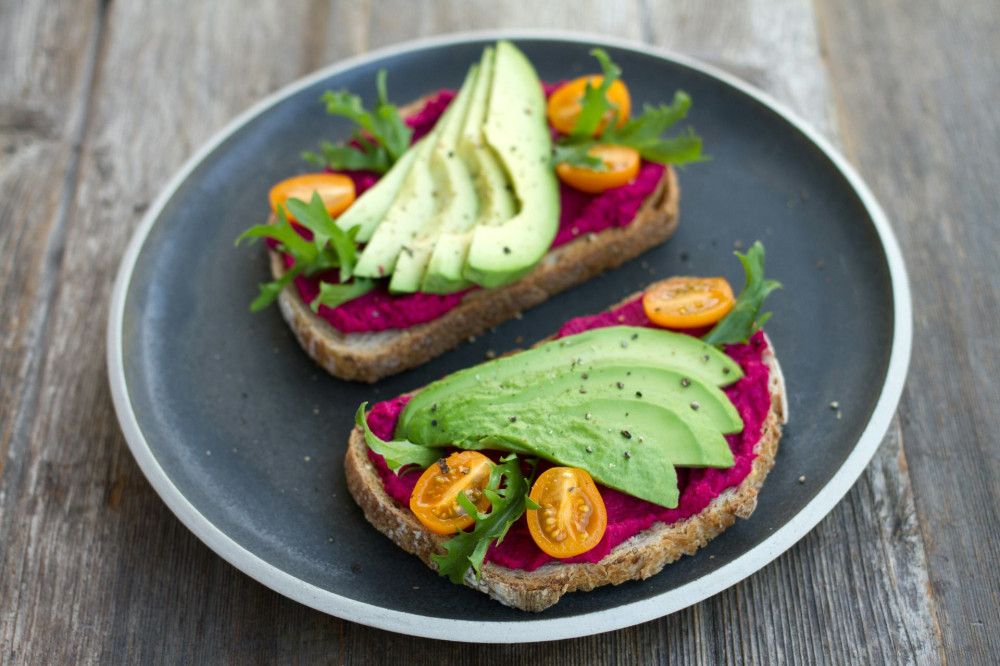
- Side light is ideal for highlighting textures – think crusty bread, frosted cakes, or layered dishes.
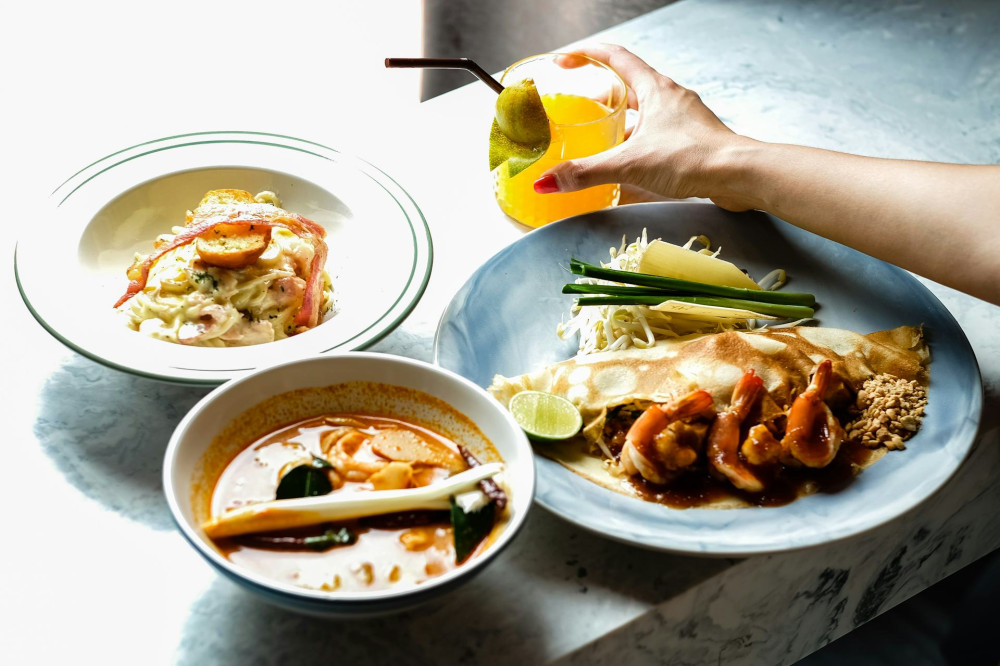
- Backlight (light coming from behind the subject) creates a beautiful glow in drinks, soups, and glazes. You may need a reflector in front to prevent the front of the dish from becoming too dark.
- Front light works well for clean, bright compositions – perfect for minimalist images or flat foods like pancakes and tarts.
Try moving your plate around relative to the window and observe how the light changes. Small adjustments can make a big difference.
Shadows Create Mood
Shadows aren’t your enemy – they’re your ally. They add depth and make your image more engaging. Without shadows, food can look flat and lifeless. The trick is to find the right balance between light and dark.
If you want a bright, airy look, use a white reflector (even a piece of foam board works) to bounce light back into the shadows. For a more dramatic, moody image, let the shadows deepen and define the scene.
A good practice is to take a test shot, then move your reflector closer or farther away to see how the mood shifts.
Læs også:
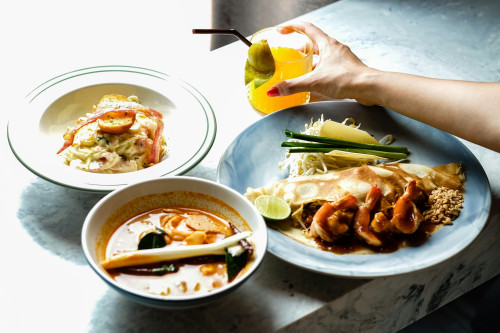
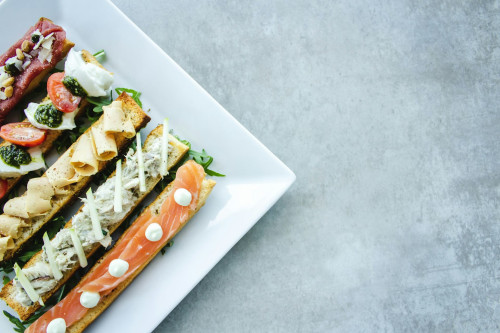
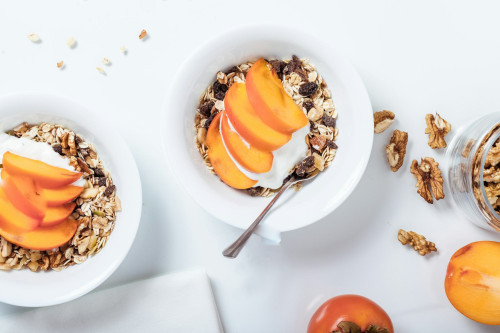
Working with Props and Backgrounds
Light interacts with every surface in your frame. A dark background absorbs light and creates a more dramatic atmosphere, while a light background reflects light and gives a fresh, open feel.
Consider how your plates, cutlery, and fabrics affect the light. Matte surfaces create a soft look, while shiny ones can cause reflections that you’ll need to control by adjusting your light angle.
In Canadian kitchens, where natural light can vary from bright snow-reflected daylight to cozy indoor warmth, your choice of background can help balance the overall tone of your image.
Color Temperature and White Balance
The color of your light influences the mood of your photo. Daylight tends to have a cooler tone, while indoor lighting often casts a warmer, yellowish hue. Both can be used creatively – just be intentional about it.
If you want a natural look, make sure your camera’s white balance matches your light source. For a cozy, inviting atmosphere, you can intentionally keep a golden tone that evokes candlelight or a late-summer sunset.
Developing Your Own Style
Once you understand how light and shadow shape your images, you can start experimenting with your own style. Some photographers prefer bright, airy compositions with soft daylight, while others lean toward dark, moody setups with deep shadows.
There’s no right or wrong approach – only what fits your vision and the story you want to tell. Practice, experiment, and learn to see the light before you press the shutter.
Conclusion: Light Is the Emotion in the Image
A great food photo isn’t just about technical skill – it’s about creating a feeling. Light is what transforms a simple dish into a sensory experience. When you learn to use light and shadow intentionally, you can turn even the most ordinary meal into a visual feast.
Læs også: