Eat Your Way to Steady Energy: Meals That Keep You Energized All Day

Eat Your Way to Steady Energy: Meals That Keep You Energized All Day
Do you ever hit that mid-afternoon slump when your focus fades and you start craving something sweet? Often, it’s because your blood sugar levels are swinging up and down throughout the day. The good news is that with the right meals and habits, you can keep your energy steady from morning to night. Here’s your guide to eating for lasting energy—without strict diets or complicated rules.
Start Your Day with a Balanced Breakfast
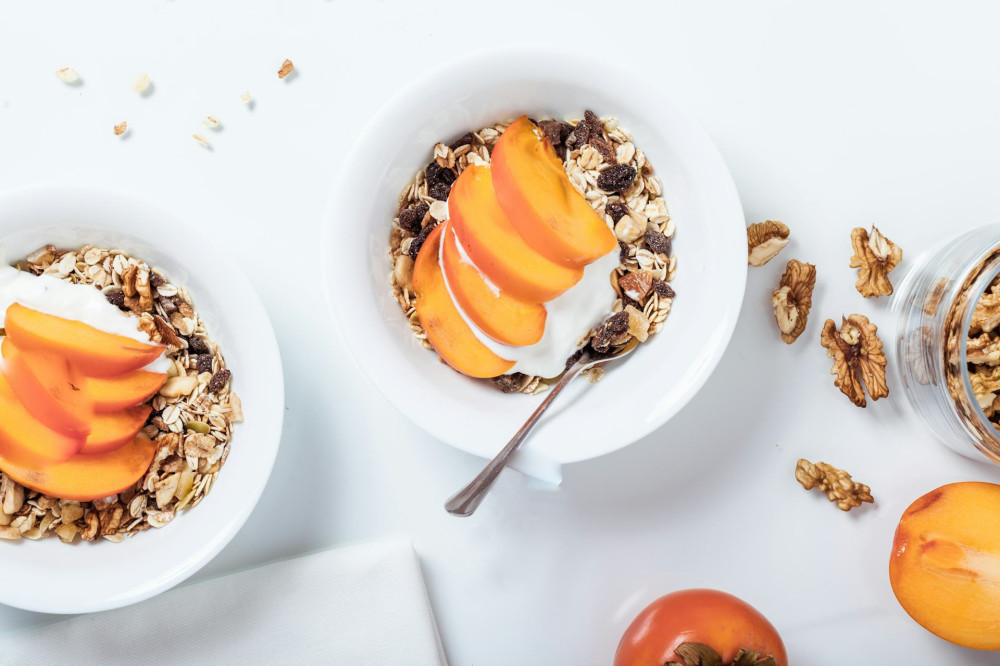
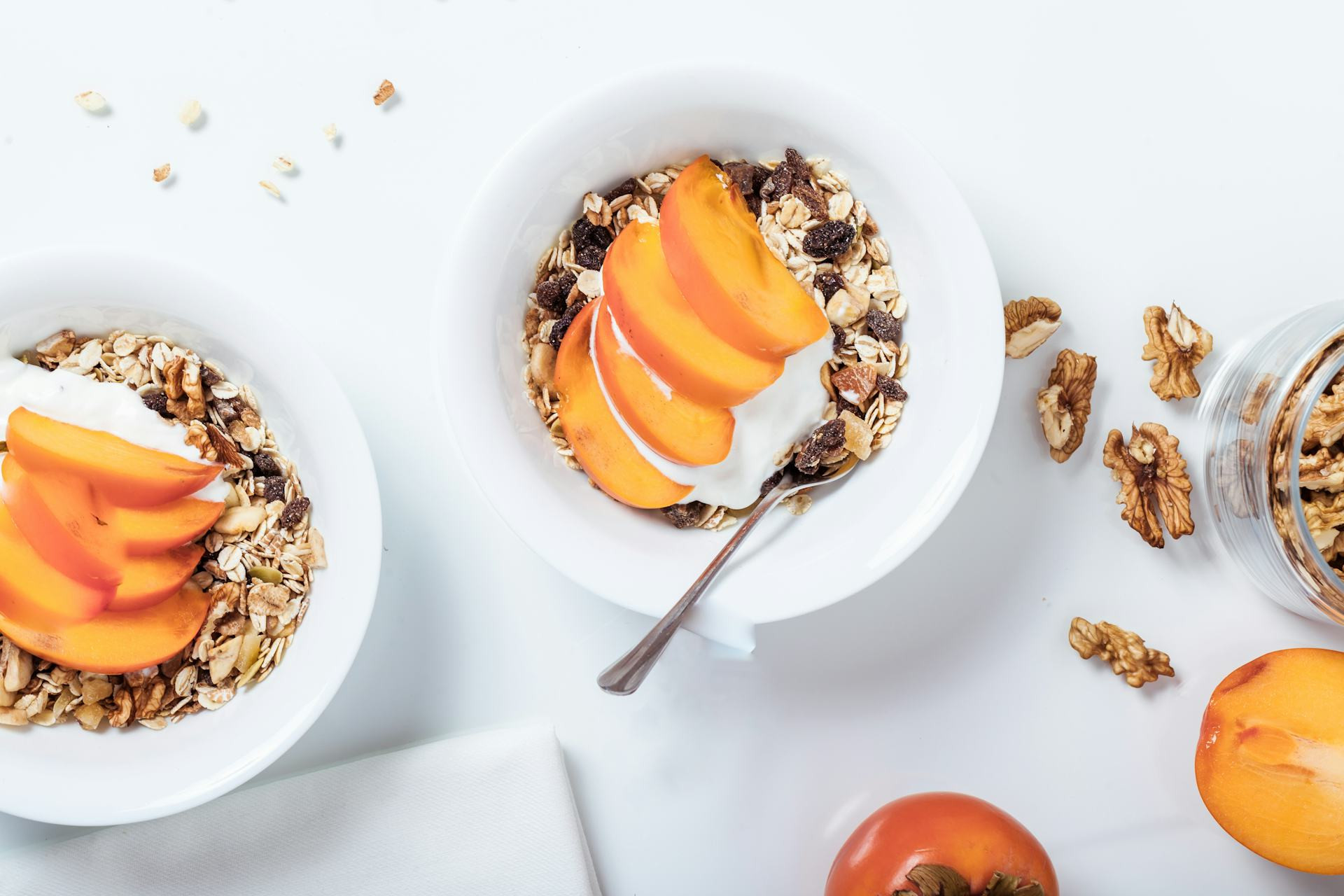
Breakfast sets the tone for the rest of your day. A meal that includes complex carbohydrates, protein, and healthy fats provides steady energy and keeps you full longer.
- Choose whole grains – oatmeal, whole-grain toast, or steel-cut oats release energy slowly and evenly.
- Add protein – eggs, Greek yogurt, or plant-based options like tofu or soy yogurt help balance blood sugar.
- Include healthy fats and fiber – nuts, seeds, and fruit add both flavor and satiety.
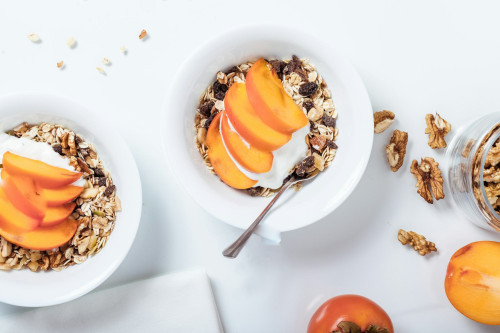
Try a bowl of oatmeal topped with berries, chia seeds, and a spoonful of almond butter—a simple, nourishing start that fuels your morning.
Lunch That Keeps You Going
Lunch should recharge you without leaving you sluggish. Avoid large portions of refined carbs like white bread or pasta, which can cause quick spikes and drops in blood sugar.
Instead, aim for a combination of:
- Plenty of vegetables – they add fiber, vitamins, and volume.
- Lean protein sources – chicken, salmon, lentils, or beans.
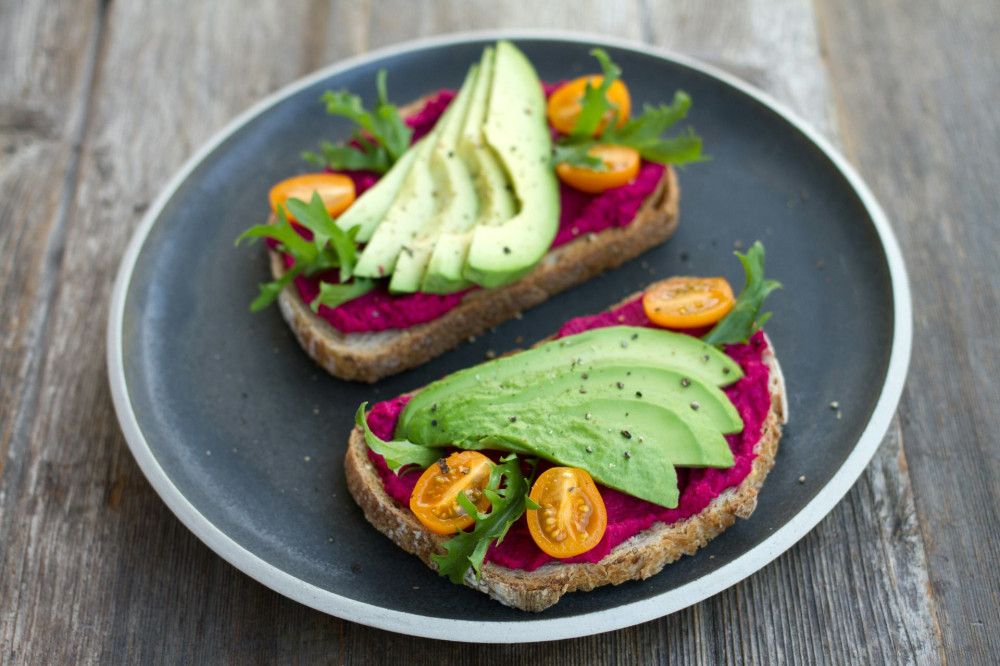
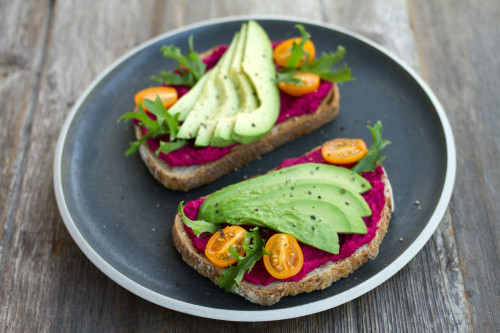
- Healthy fats – avocado, olive oil, or a sprinkle of nuts.
A quinoa salad with roasted vegetables, chickpeas, and a lemon-olive oil dressing is a great example of a lunch that satisfies and sustains your energy.
Læs også:


Smart Snacks for Steady Energy
If you go several hours between meals, a healthy snack can prevent energy dips and overeating later. It’s not about eating more—it’s about eating smart.
Good options include:
- A handful of nuts and a piece of fruit.
- Veggie sticks with hummus.
- A small portion of yogurt with berries.
Skip sugary snacks and energy bars—they give you a quick boost but leave you tired soon after.
Dinner That Rebuilds and Refuels
After a long day, your body needs nourishment that satisfies without weighing you down. Dinner should be balanced and restorative.
- Choose complex carbs like brown rice, sweet potatoes, or whole-grain pasta.
- Add colorful vegetables – the more variety, the more nutrients.
- Include protein – fish, chicken, eggs, or plant-based alternatives.
For example, try baked salmon with roasted vegetables and a side of quinoa—a meal that tastes great and supports recovery and steady energy.
Hydration: The Overlooked Energy Booster
Water is one of the simplest ways to maintain energy. Even mild dehydration can cause fatigue and headaches. Aim to drink regularly throughout the day—about 1.5 to 2 litres of water, depending on your activity level.
Coffee and tea can fit into a healthy routine, but try to limit caffeine later in the day, as it can interfere with sleep. And remember, good sleep is essential for consistent energy.
Planning Makes the Difference
Eating for steady energy isn’t just about what you eat—it’s also about how you plan. When healthy options are ready to go, it’s easier to make good choices.
- Prepare lunches or dinners in advance.
- Keep nutritious snacks handy at work or in your bag.
- Eat regularly—every 3 to 4 hours if possible.
Small, consistent habits can make a big difference in how you feel throughout the day.
Steady Energy: An Investment in Your Everyday Life
When you eat with balance and quality in mind, you gain more than just energy—you improve your focus, mood, and sleep. It’s not about perfection but about building habits that last.
By choosing foods that fuel your body at a steady pace, you can say goodbye to energy crashes and sugar cravings—and enjoy a day full of focus, vitality, and well-being.
Læs også: