When Memories Become Part of Everyday Life: Small Rituals That Keep the Memory of a Loved One Close

When Memories Become Part of Everyday Life: Small Rituals That Keep the Memory of a Loved One Close
When someone we love passes away, everyday life changes in ways we can’t always prepare for. There’s an emptiness — not only in our homes, but in the small routines that once carried warmth and connection. For many, finding gentle ways to keep that connection alive brings comfort. Small rituals can help us do just that: allow memories to become a natural part of daily life, rather than something that belongs only to the past.
Everyday Rituals as Quiet Anchors
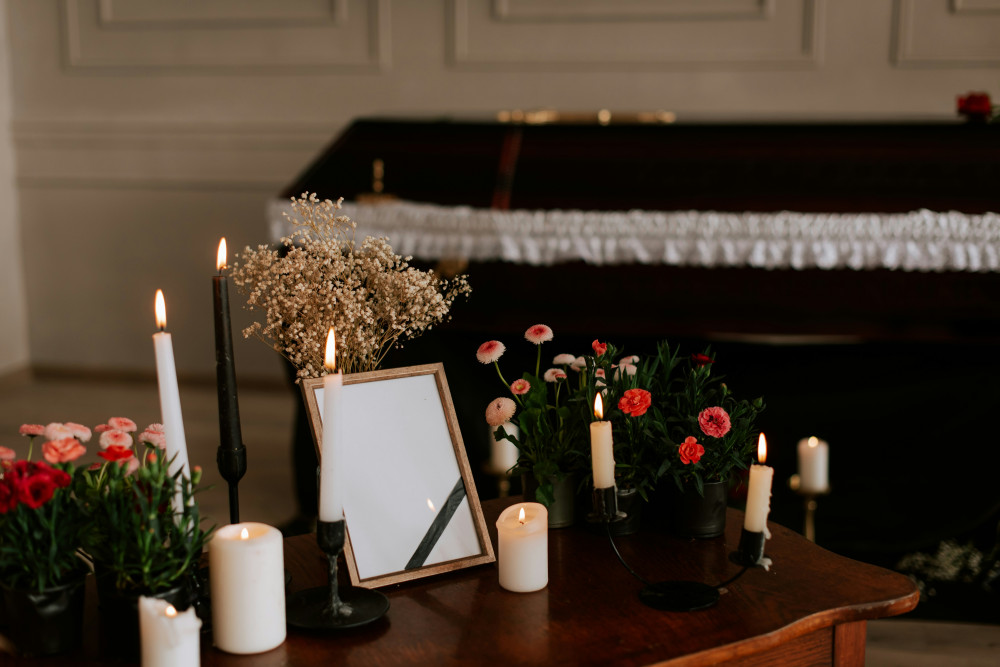
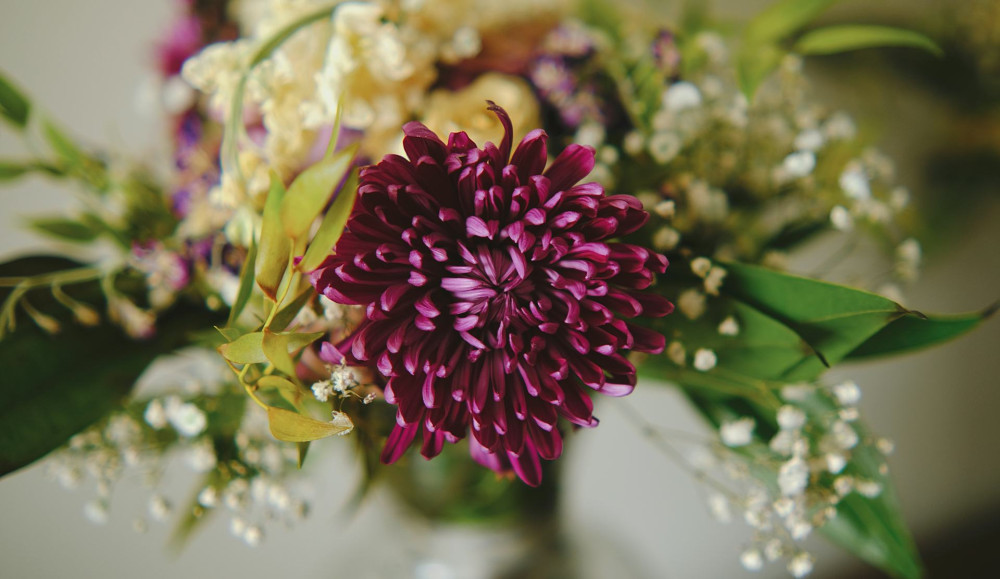
A ritual doesn’t have to be grand or formal. It can be a simple gesture that brings calm and meaning to the day. Some people light a candle each morning, others take a walk by the lake on Sundays, or place fresh flowers in a vase that once stood in a loved one’s home. It’s not about holding on to grief, but about creating a space where love continues to live.
A ritual might also be listening to a favourite song, cooking a meal you used to share, or enjoying a cup of coffee on the porch where you once sat together. These small acts weave memories into the rhythm of everyday life, helping them stay close in a gentle, natural way.
Creating a Personal Place of Remembrance
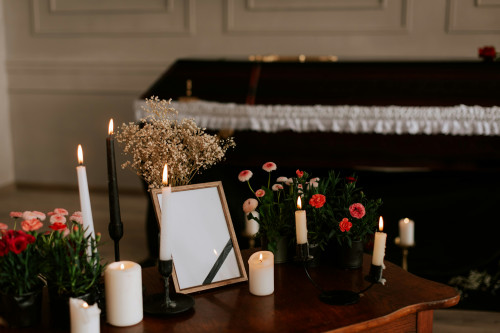
Many Canadians find comfort in creating a physical space to remember someone they’ve lost. It could be a small corner in the living room with a photo, a candle, and a keepsake that holds special meaning. Such a space can serve as an anchor — a place to pause, reflect, and feel connected.
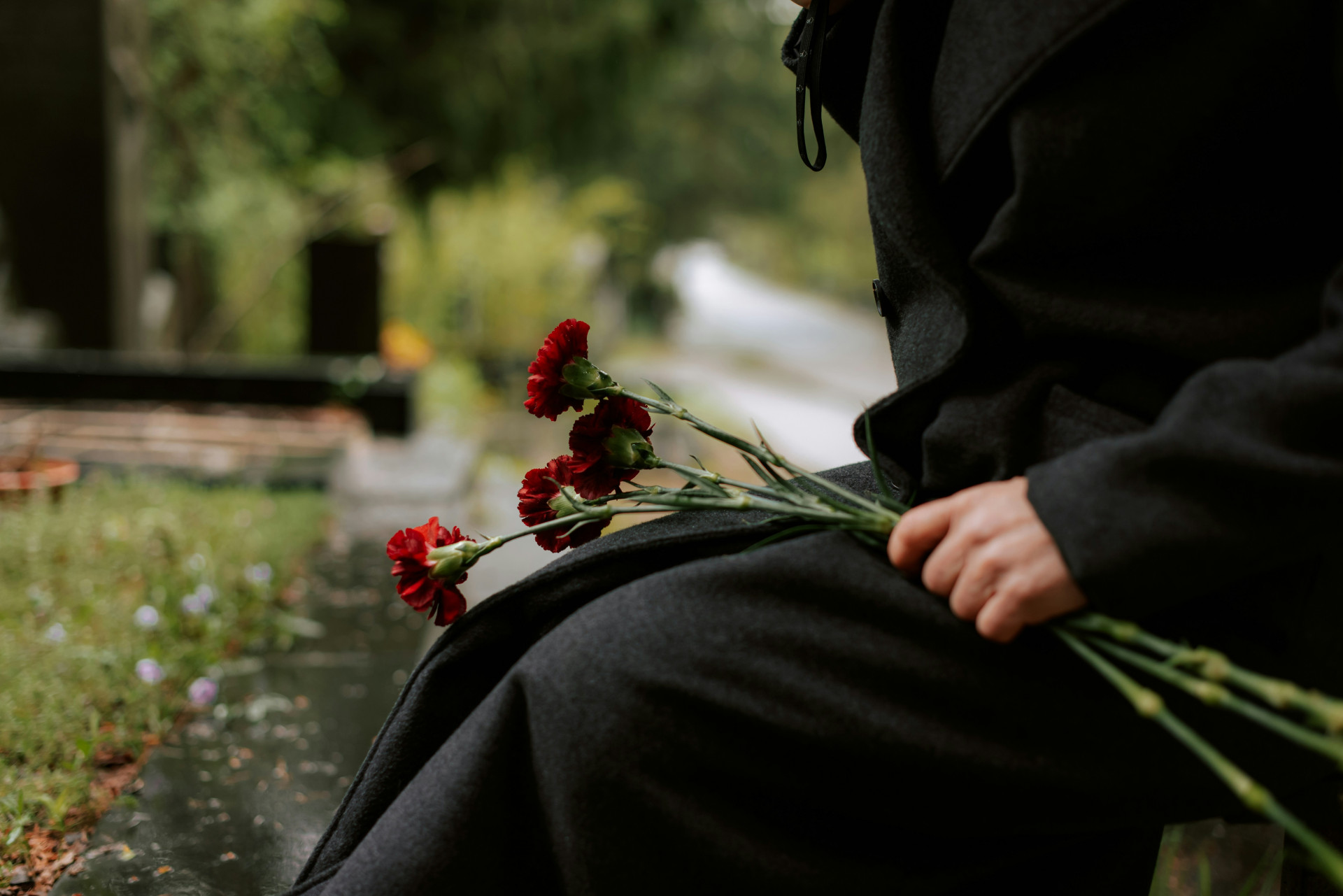
For others, nature offers the most peaceful setting. A favourite hiking trail, a tree planted in the backyard, or a quiet spot by the ocean can become a symbolic place for reflection. What matters most is that the place feels right for you — not how it looks to others.
Læs også:
Sharing Memories with Others
Grief can feel isolating, but memories often grow stronger when shared. Talking about the person who has passed, telling stories, or looking through old photos with family and friends can help keep their presence alive within the community. Some families choose to mark birthdays or anniversaries with a shared meal, a visit to a meaningful place, or a moment of silence together.
Writing can also be a powerful way to connect. Some people write letters to their loved one, keep a memory journal, or create a scrapbook filled with photos and notes. These acts give space to express thoughts and emotions that might be difficult to say aloud.
When Rituals Change Over Time
Grief and memory evolve. What feels right in the early days may change as time passes. Some rituals may fade, while new ones take their place. This is a natural part of healing. Allowing yourself to adapt your rituals is also a way of accepting that life continues — without losing the bond you still hold.
Over time, many find that their rituals shift from being about sorrow to being about gratitude. They become quiet moments of appreciation for having known someone who continues to shape their life in subtle, lasting ways.
Finding Peace in What Endures
Living with memories isn’t about staying in the past — it’s about letting the past live gently within the present. Small rituals can bring structure, comfort, and meaning, reminding us that love doesn’t disappear, even when life changes.
When memories become part of everyday life, grief doesn’t necessarily fade, but it becomes easier to carry. It becomes part of the story we continue to live — one that holds both loss and the enduring joy of love remembered.
Læs også: