Dressed the Right Way: The Unwritten Rules of Formal Attire

Dressed the Right Way: The Unwritten Rules of Formal Attire
Formal attire is about more than just putting on a suit or a nice dress. It’s about understanding the unspoken rules that communicate respect, awareness, and personal style. What’s appropriate for a business dinner, a wedding, or a gala may differ, but there are timeless principles that help you look polished and confident in any formal setting.
What Does “Formal Attire” Really Mean?
When an invitation calls for “formal attire,” it signals that a certain level of effort and refinement is expected. It’s not about being overdressed—it’s about showing that you care. In Canada, formal dress codes tend to balance tradition with a touch of modern practicality, reflecting the country’s mix of professionalism and relaxed charm.
For men, this usually means a well-fitted suit, dress shirt, and tie—and for the most formal occasions, a tuxedo. For women, it can mean an elegant dress, a tailored pantsuit, or a coordinated skirt-and-blazer ensemble, depending on the time of day and the event.
The Key Unwritten Rules
While dress codes can vary, a few universal guidelines will always help you look appropriate and put-together.
- Fit is everything – A well-tailored outfit always looks more refined than an expensive one that doesn’t fit properly. Invest in alterations if needed.
- Stick to classic colours – Navy, charcoal, black, and deep green are safe, sophisticated choices that work well in Canadian settings year-round.
- Polished shoes matter – Clean, well-maintained shoes show attention to detail. In winter, make sure boots are salt-free and polished.
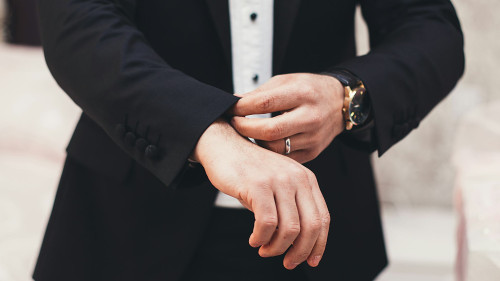
- Keep accessories subtle – A watch, belt, or pocket square can complete your look, but avoid anything too flashy or distracting.
- Grooming counts – Hair, nails, and even fragrance play a role. A neat, understated appearance always reads as professional and respectful.
Business Formal vs. Black Tie
Two of the most common formal dress codes are business formal and black tie, and they differ in both tone and purpose.
- Business formal is standard for professional events such as conferences, meetings, or corporate receptions. Men typically wear a dark suit and tie, while women might choose a tailored dress or a blazer with dress pants or a skirt.
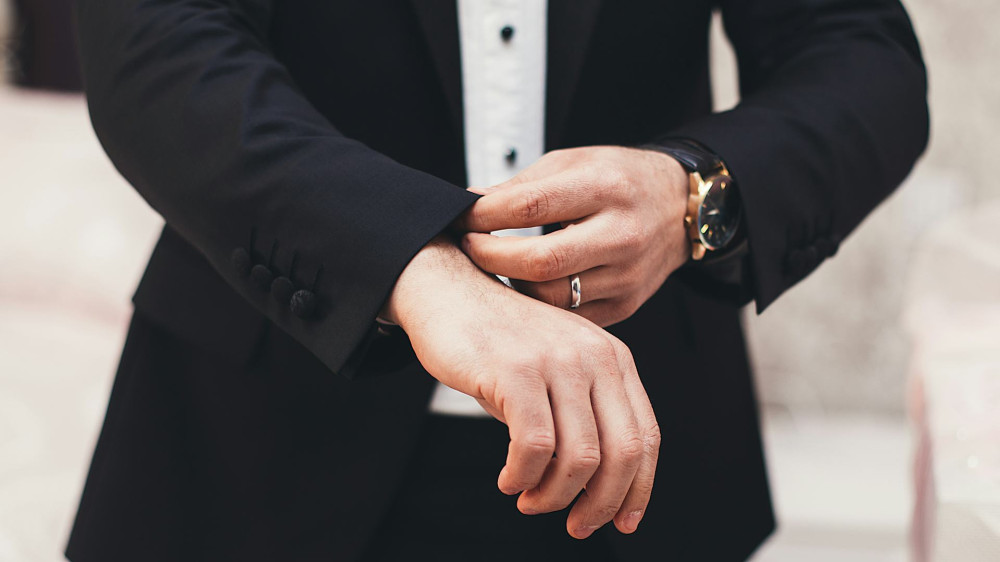
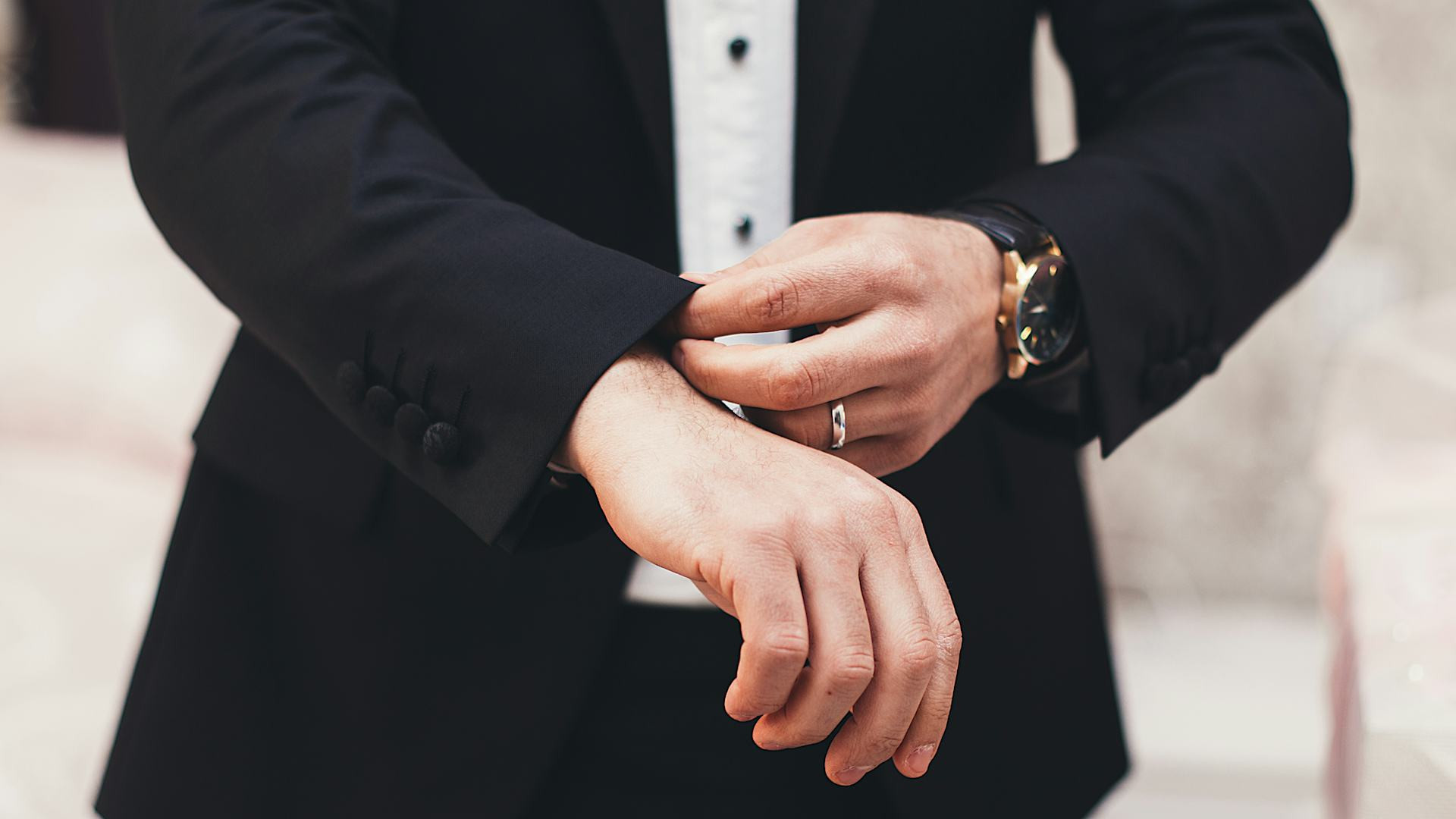
- Black tie is reserved for celebratory occasions like weddings, galas, or award ceremonies. Men wear tuxedos, and women opt for long gowns or elegant evening dresses.
If you’re unsure, it’s always better to ask the host than to risk showing up underdressed.
When Tradition Meets Modern Style
Formal wear doesn’t have to feel stiff or outdated. Today, it’s about blending classic elements with a touch of personality. A dark blazer can look fresh with a subtly patterned tie or a soft-coloured shirt. Women can experiment with textures—think silk blouses, velvet blazers, or minimalist jewelry that adds character without overpowering the outfit.
The goal is to look like yourself, just at your most polished. Formal style should feel natural, not like a costume.
The Small Details That Make a Big Difference
When it comes to formal dressing, the smallest details often separate “well-dressed” from “impeccable.”
- Make sure your clothes are pressed and lint-free.
- Match your belt and shoes in both colour and material.
- Avoid overpowering scents—subtlety is more elegant.
- Socks should match your trousers, not your shoes.
- Check that your jacket fits comfortably when standing and sitting.
These details may seem minor, but they send a clear message of professionalism and respect for the occasion.
Breaking the Rules—Gracefully
The unwritten rules are guidelines, not strict laws. Once you understand them, you can bend them with intention. A patterned tie, a colourful blazer lining, or statement earrings can express individuality—just keep the overall look balanced and appropriate for the setting.
It’s about showing personality without losing respect for the formality of the event. The best-dressed people are those who look both appropriate and authentically themselves.
Læs også:


Dressed Right—and Feeling Right
Being formally dressed is ultimately about more than clothing. It’s about showing respect for the moment and the people you’re with. When you feel comfortable and confident in what you’re wearing, that confidence becomes your most elegant accessory of all.
Læs også: